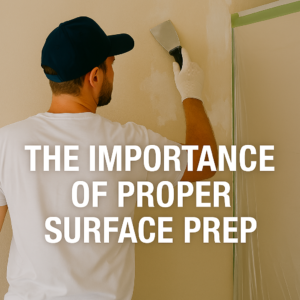
You’d think patching a hole in the wall would be easy—just slap on some compound, sand it, and paint, right?
Not quite.
At L.S. Painting, Inc., we’ve seen too many homes and offices with obvious patches that stand out like a sore thumb. The truth is, drywall repair and texture matching are skills that require precision, experience, and a trained eye—especially if you want the repair to disappear.
Let’s break down why it’s not as simple as it seems—and how we get it right.
🛠️ Drywall Repair: More Than a Surface Fix
Drywall damage comes in many forms:
- Door knob dents
- Nail pops
- Water damage
- Cracks from settling
- Holes from plumbing or electrical work
Every type of damage requires a different approach. A small crack may need just a skim coat and feathering, while a larger hole could require new backing, mesh tape, joint compound, and drying time between coats.
We don’t believe in shortcuts—just clean, long-lasting repairs that blend in perfectly.
🎨 The Art of Texture Matching
This is where many DIYers—and even some painters—miss the mark.
Drywall isn’t just flat. Depending on your home’s era, builder, or region, your walls may have:
- Knockdown texture
- Orange peel
- Smooth finish
- Skip trowel
- Hand-textured surfaces
Matching these takes:
- The right tools (sprayers, knockdown blades, trowels)
- The right materials (some textures require thicker mud or specialty compounds)
- And above all, timing and finesse
A texture match is like a fingerprint—if it’s even slightly off, your eye catches it instantly.
✨ Seamless = Invisible
When done right, you should never know we were there.
No visible seams. No raised patches. No shadows or inconsistent paint sheen.
We prime and repaint the repaired areas with exact color-matching to ensure it blends fully into your space. This is where professional drywall work separates from DIY patch jobs.
🏠 When Is Drywall Repair Needed?
- Before painting—especially if it’s been more than 7–10 years
- After electrical or plumbing work
- If you’re noticing wall movement or cracking
- When prepping a house for sale or rent
- After removing wallpaper, paneling, or mounted TVs
Pro Tip: Even minor imperfections show more after new paint is applied. We always recommend fixing drywall issues first—it’s the foundation for a flawless finish.
👷 Why L.S. Painting for Drywall Repairs?
- 30+ years of interior wall expertise
- Smooth or textured—we’ve matched it all
- We combine drywall skills with professional painting for a complete solution
- We keep your space clean and protected throughout the process
Don’t Let Bad Patches Ruin Good Walls
📞 Call us at (303) 948-9287
📧 Email LS@lspaintinginc.com
🛠️ Or Request a Free Estimate